 By World Animal Federation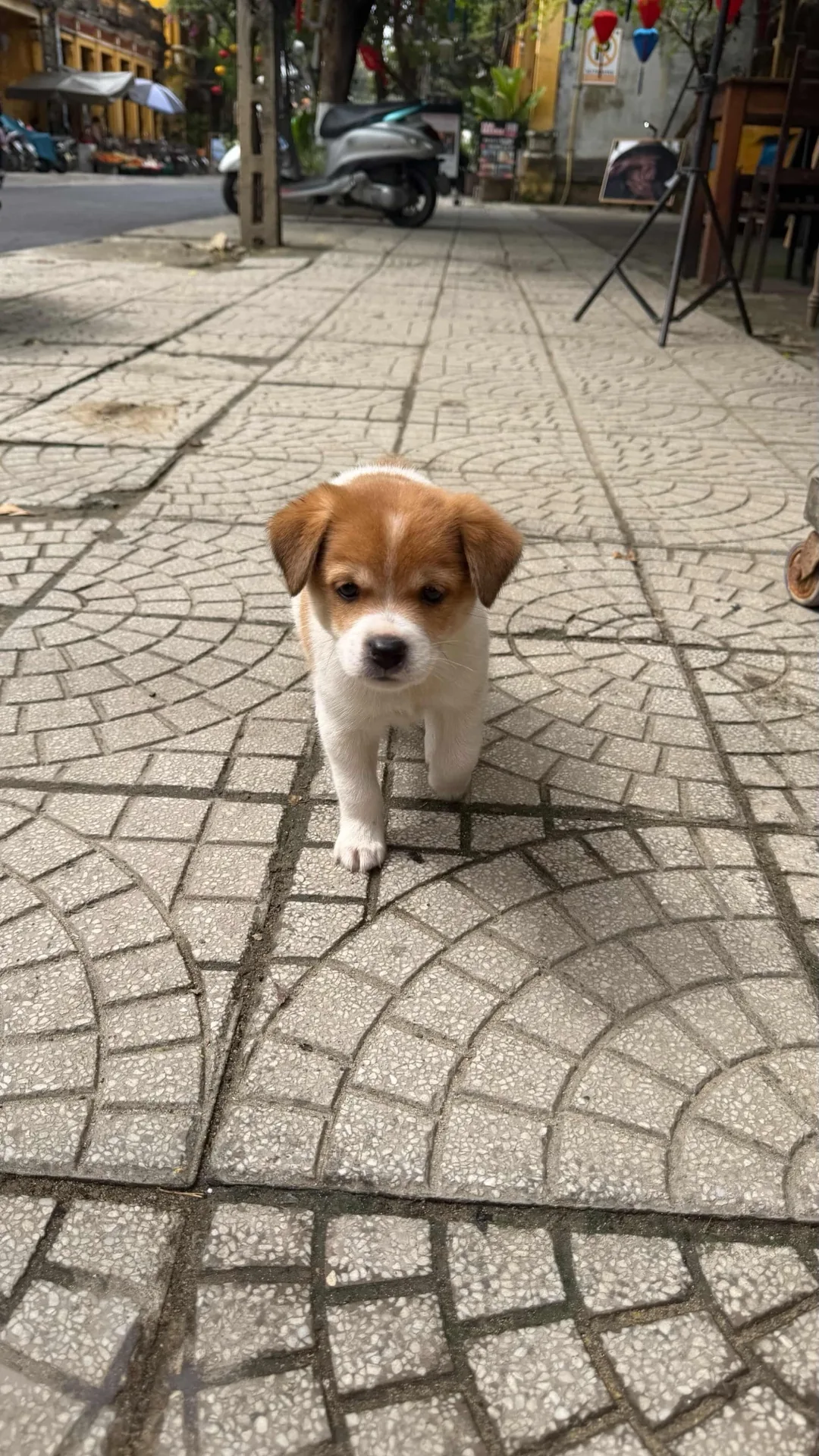
Live totals across every StrayDash shelter.
One platform,
from street to home.
Six modules, two halves of the same job. Every one of them is the real product, not a mockup.
Street Feeding
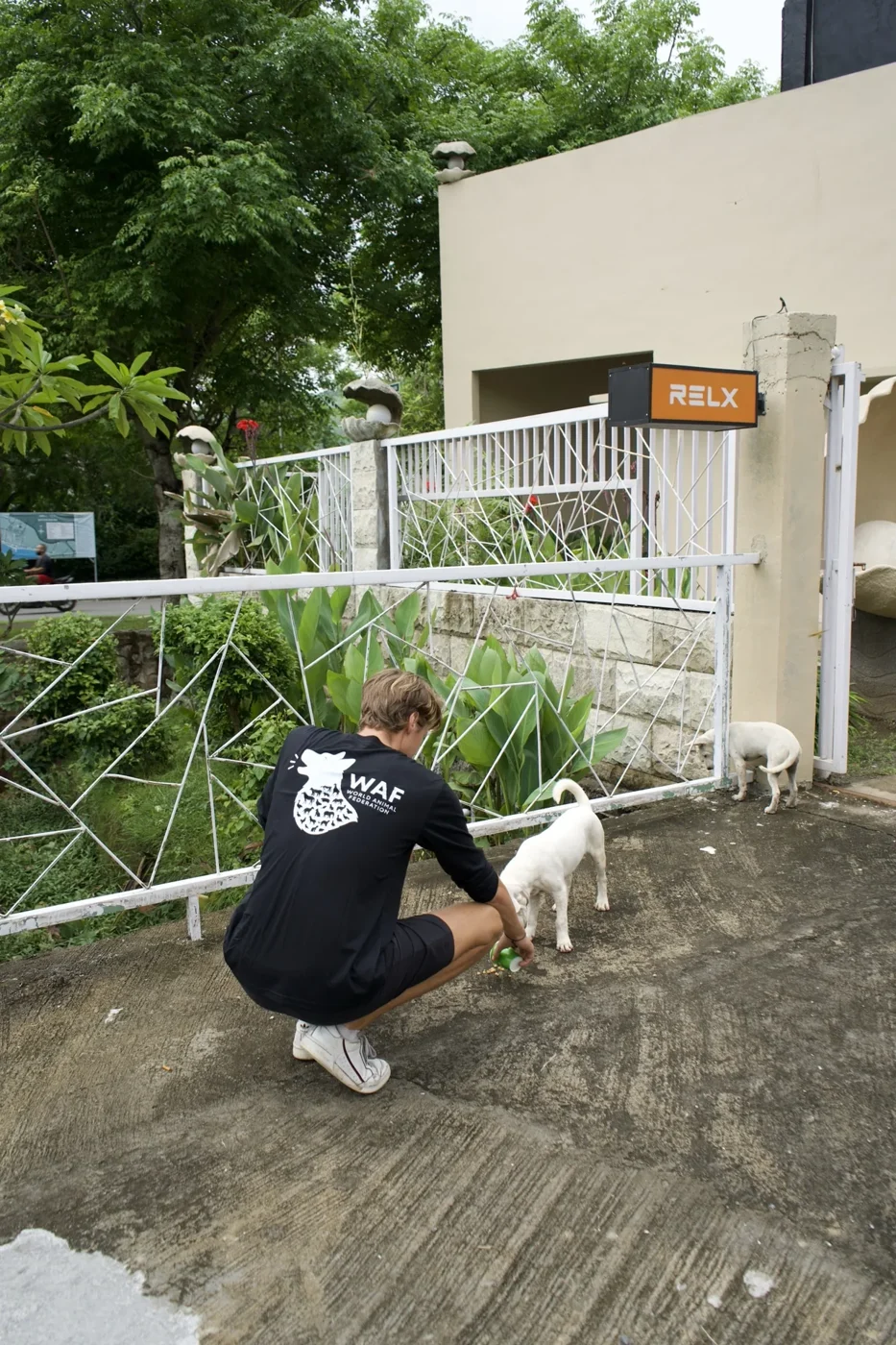
Manage feeding spots on a satellite map. Volunteers see what is done and what still needs a visit, then navigate straight there.
Sterilization
Pin every procedure to its location with a running count. Partners add their own entries through a public link.
Wound Reports
Anyone reports an injured animal with photos and a pin. Your team triages each case from open to closed.
Animals & Medical
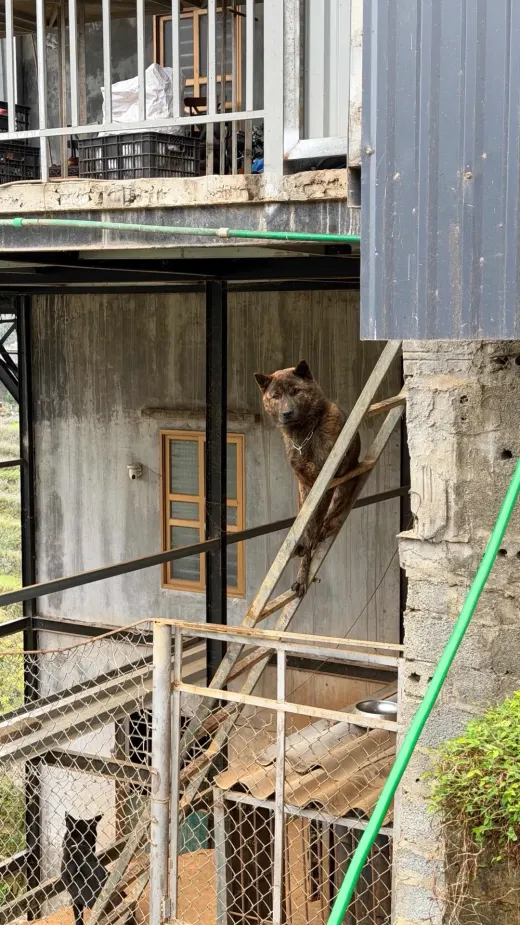
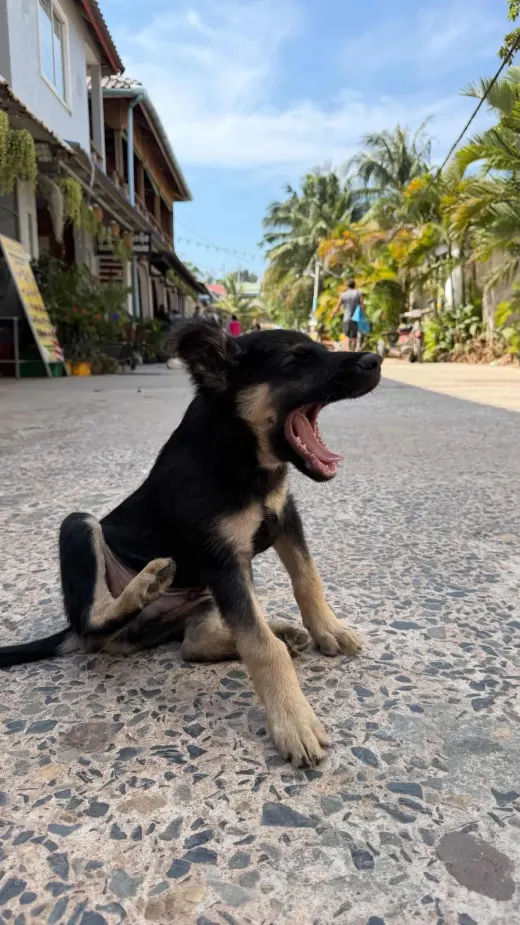
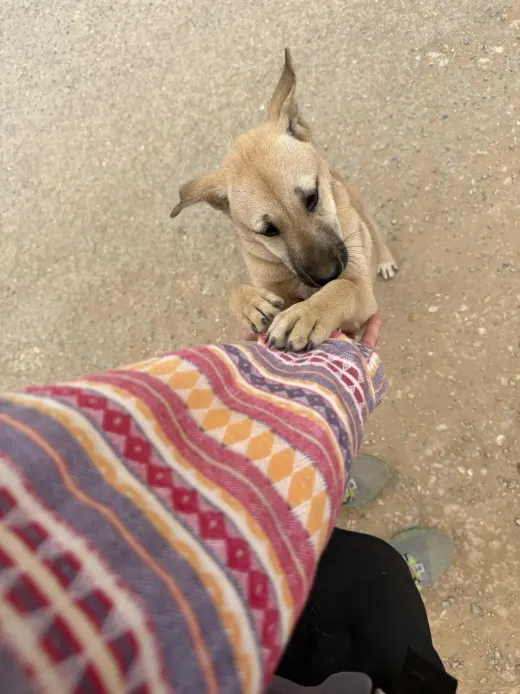
Every animal gets a file: photo, chip number, status and a medical history built from templates. Reminders show you what is overdue before you have to remember it.

Shelter Layout
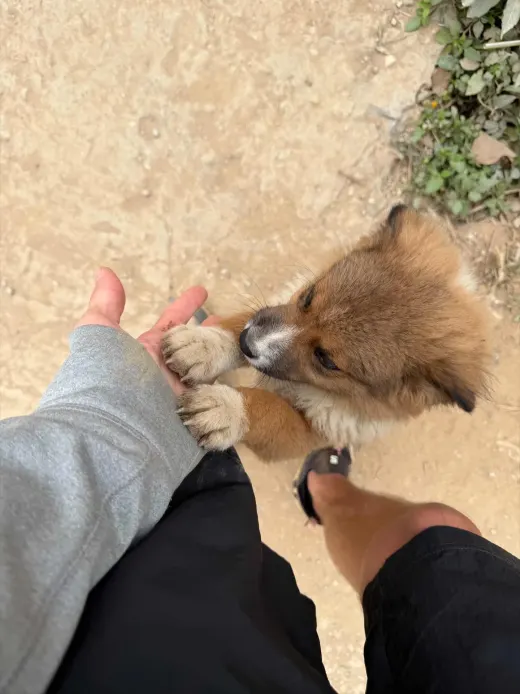
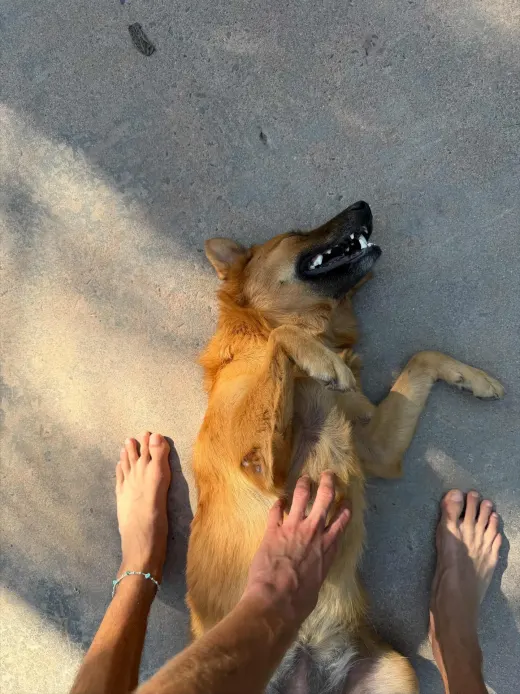
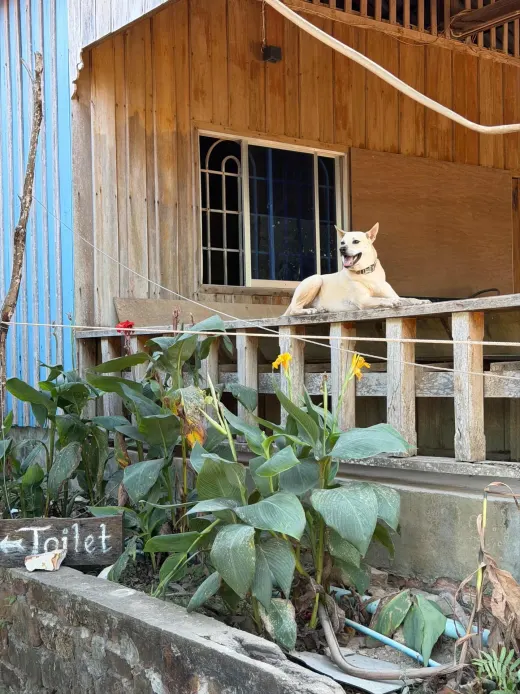
Draw your kennels and drag animals into them, so anyone walking in can see who sits where. Switch to the board view when you just want a list that moves.
Adoption
Flip a switch and an animal appears on your public adoption page. Paste one snippet and it appears on your own website too, with a PDF certificate when it goes home.
One animal,
one thread.
A dog gets reported on a Tuesday and goes home in November. Everything in between stays on the same file, instead of scattered across notes, chats and someone's memory.
Reported
Someone pins an injured animal with photos. No account needed.
Fed & treated
Your team feeds the spot, treats the wound, closes the case.
In care
The animal gets a file and a medical history that travels with it.
A place
It is assigned to a kennel on your floor plan.
Adopted
It goes home from your own website, with a certificate.
Your animals,
on your own website.
Your adoptable animals, shown on your own website. No developer, no export, no copy-paste every time an animal finds a home.
Every pin on the map
is a life.
StrayDash turns scattered notes and group chats into one shared picture, so shelters spend less time coordinating and more time caring.
Up and running
in four steps.
Register your shelter
Fill in a short form with your shelter and contact details. Two minutes.
We call you
Within two working days we walk through the platform together, then activate your account.
Set up and fill
A 3-step setup for timezone, first feeding location and wound form. Then import your animals from CSV or add them by hand.
Share public links
Volunteers, reporters and adopters all get their own link, plus the embed for your own site.
Everyone in the
rescue chain.
Animal Shelters
Run daily operations from the street to the adoption, with your whole team in one place.
- All six modules
- Animal & medical records
- Shelter layout & kennels
- Team management + audit logs
Rescue Organizations
Triage incoming reports, keep proper records, and hand animals over with the paperwork done.
- Wound triage, open to closed
- Animal records
- PDF adoption & travel certificates
- Data export
Partner NGOs
Collaborate on sterilization programs and contribute data through dedicated partner interfaces.
- Public portals
- Map pinning
- Photo uploads
- Instant notifications